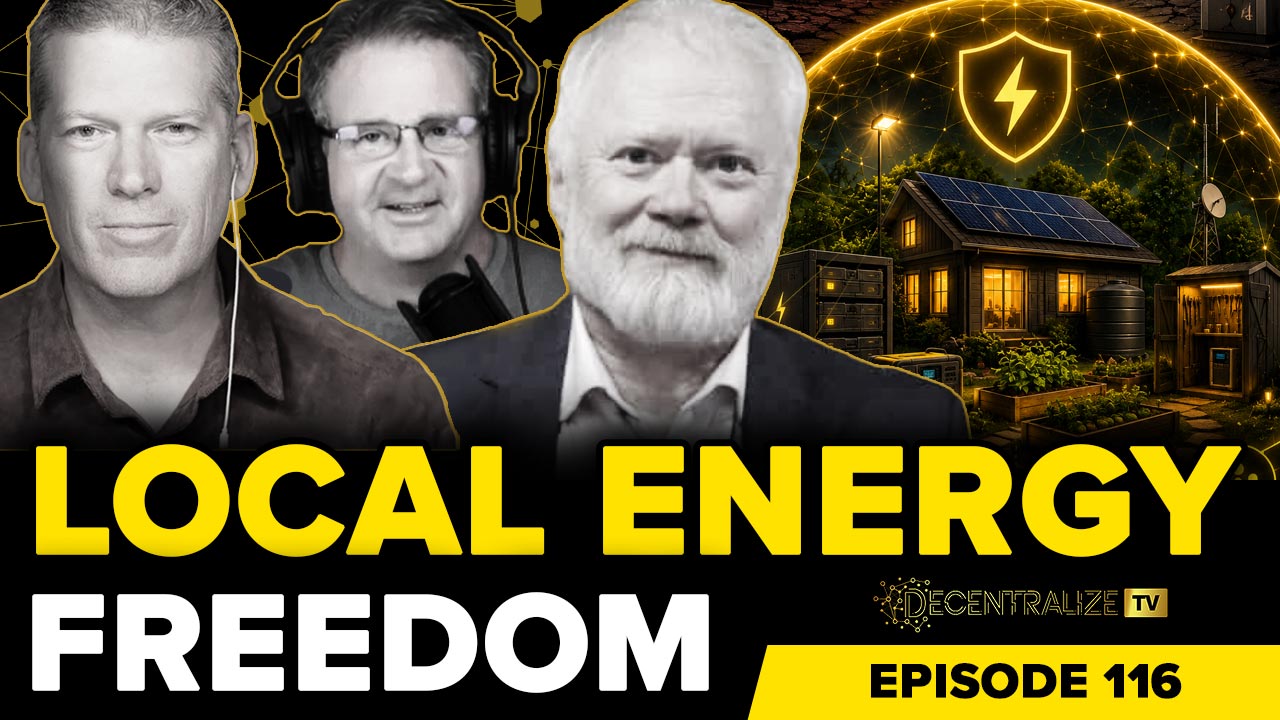
This discussion explores the challenging but necessary transition away from centralized dependency, emphasizing that it's a deliberate process, not an instant switch. Discover what a realistic path to self-sufficiency looks like and why strategic intent is crucial.
The conversation highlights the initial, often difficult, step of building a three-month food supply. More profoundly, it delves into the psychological hurdle of confronting deeply held beliefs about relying on larger systems, revealing why this mental decoupling is often harder than the practical preparations themselves.
Subscribe to the BrightVideos.com email newsletter to receive a daily digest of the most important and popular videos uploaded each day. (You can unsubscribe at any time.)
Transcript
So what does a realistic transition away from centralized dependency look like? But which but which system are you referring to? Like power, finance, medicine? All of the above. No. I mean, everybody has a foot I mean, realistically, we all have our foot in centralized systems, right? And this show exists because we try our best to be able to let people know another strategy exists, but it is it is not something that you just hit control alt delete on your life and poof, you're decentralized, right? It takes on purpose with intent strategy. So where do people begin, what do you say? Yeah. Well, if if somebody hasn't started at all, right? The first thing you got to do is you've got to build up like three months of stored food, just some basic stuff, really basic, just so that you could survive even like you're in Florida, a basic hurricane, right? So I think that's the first thing and and you know, again, I talked about the psychology of this emotional part. What I learned was that that first step, which I try and call step zero, make it as simple as possible is actually one ...