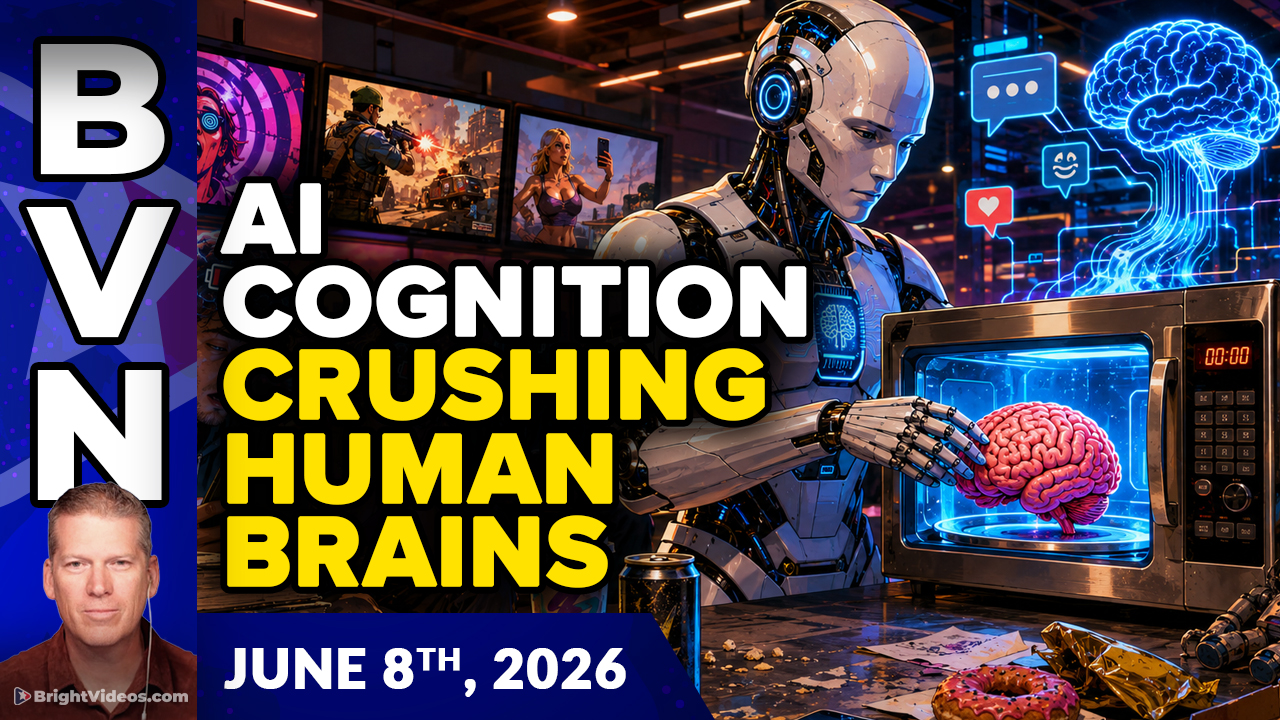
Beyond Market Crashes: The Silent Cognitive Crisis
46 views2:15
The world is fixated on market fluctuations, but what if a far greater crisis is unfolding beneath the surface? This video delves into the unprecedented phenomenon of a crash in human cognition itself. We explore why this intellectual decline is more critical than any economic downturn.
Discover the profound implications of a society potentially losing its collective ability to think clearly and process information. While global attention is diverted elsewhere, learn about the silent erosion of our cognitive faculties and its potential long-term impact on our future.
Subscribe to the BrightVideos.com email newsletter to receive a daily digest of the most important and popular videos uploaded each day. (You can unsubscribe at any time.)
Transcript
We are living through a crisis far greater than any market correction, a crash in human cognition itself. While the world obsesses over artificial intelligence, we are quietly outsourcing our minds to machines. This isn't just convenience, it's a slow voluntary lobotomy I call the great stoopining. Today's AI mania echoes the .com bubble, but the stakes are higher. Oracle and OpenAI abruptly scrapped their Texas data center expansion in March 2026, a clear sign that promised returns aren't materializing. Meanwhile, the government pours billions into projects like Stargate, fueled by leveraged debt. Investor Michael Burry, who predicted the 2008 crash, is now shorting Nvidia and Palantir. When this bubble bursts, it will shatter the illusion that AI can solve problems faster than we create them. And while America stumbles, China is stealing the game. Huawei's Tao scaling threatens Nvidia's dominance, and models like Deepseek deliver 98% capability at 1% cost. The U.S. response? More censorship and trade barriers. But you cannot stop a tsunami with a wall. The greatest threat to freedom isn't Skynet, it's Windows. Microsoft's recall feature screenshots your activity every few seconds and feeds data to the NSA. The CDC is spending $260 million on a ...