Iran's Supreme Leader Approves US Deal Amidst Reservations
17 views1:36
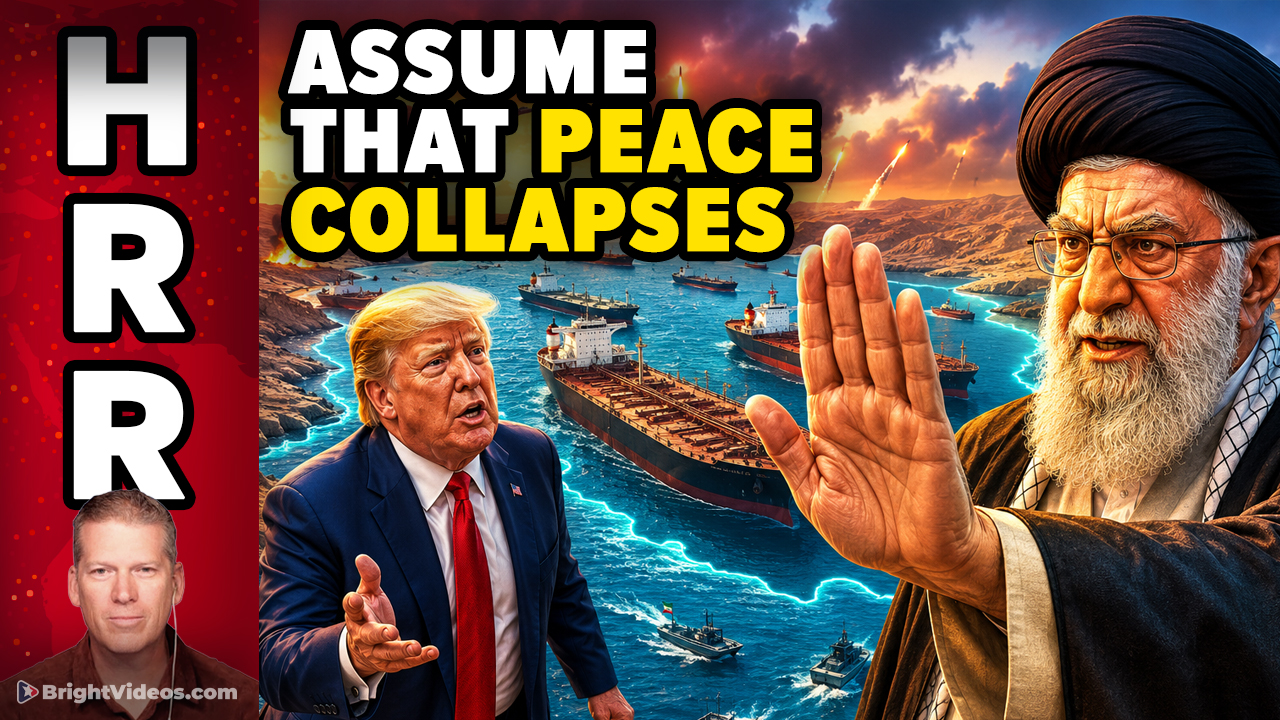
Iran's Supreme Leader, Ayatollah Mojtaba Khamenei, has made a stunning admission, revealing he approved a US-Iran agreement despite his personal reservations. This controversial memorandum of understanding could unlock $300 billion for Iran's redevelopment under strict conditions, signaling a potential shift in complex regional dynamics.
The deal requires Iran to cease hostilities, reopen the Strait of Hormuz, and abandon nuclear weapons. However, it faces immediate backlash, with Israeli PM Netanyahu vowing to prevent Iranian nukes and Iran's Foreign Ministry denying any final deal. The road ahead remains uncertain, with 60 days of proxy talks planned amidst high international pressure.
Subscribe to the BrightVideos.com email newsletter to receive a daily digest of the most important and popular videos uploaded each day. (You can unsubscribe at any time.)
Transcript
In a stunning admission, Iran's supreme leader says he approved a US-Iran agreement, despite having serious reservations. Ayatollah Mojtaba Khamenei revealed Thursday that he greenlit the memorandum of understanding out of respect for President Pizeshkian and his team, even though he personally disagreed with the deal. Under the MOU, Tehran could access up to $300 billion for redevelopment, but only after ending hostilities in Lebanon, reopening the Straight of Hormuz, and forswearing nuclear weapons. Vice President JD Vance confirmed the reconstruction fund, stressing Iran must meet its obligations first. The agreement includes a 60-day window for further talks on nuclear restrictions, but the deal faces immediate backlash. Israeli Prime Minister Netanyahu, reportedly kept in the dark, vowed Israel will never allow Iran to acquire nukes. Vance fired back, telling Israel that Trump is their only ally left. Meanwhile, Iran's foreign Ministry denies any final deal has been signed, calling reports speculative. Khamenei will not join direct negotiations. Proxies will handle the next 60 days of talks. Analysts say this reflects Iran's strategy of negotiating under pressure while asserting red lines. The full MOU text remains classified, but one thing is clear. The road ahead is anything but certain. This is ...